
If you ask most companies where pricing problems come from, the answers are predictable: rising costs, aggressive competitors, or market pressure.
Those factors matter. But they are rarely the real reason margins decline.
In many cases, the bigger issue is price leakage – the gap between the price a company believes it is charging and the price it ends up keeping.
This gap is not caused by one big mistake. It is the result of many small decisions: discounts, rebates, exceptions, and inconsistent execution across teams. Over time, these decisions accumulate, quietly eroding profitability.
Why Price Leakage Is So Difficult to Observe
Price leakage rarely appears as a clear, isolated issue.
Instead, it is embedded in everyday commercial activity:
- A too high discount is given to close a deal
- A rebate is applied without full visibility if the underlying conditions are met
- A pricing exception becomes standard practice
- Different regions apply different rules
Individually, these decisions seem reasonable. Collectively, they create a structural problem.
This is why many companies experience a familiar pattern: revenue grows, but margins do not follow.
The issue is not necessarily the pricing strategy itself – it is the execution of that strategy.
The Opportunity
Addressing price leakage is one of the fastest ways to improve profitability. Even small pricing improvements can significantly increase margins, often without impacting demand. In many organizations, leakage represents both a hidden loss and a clear opportunity.
Where Leakage Occurs
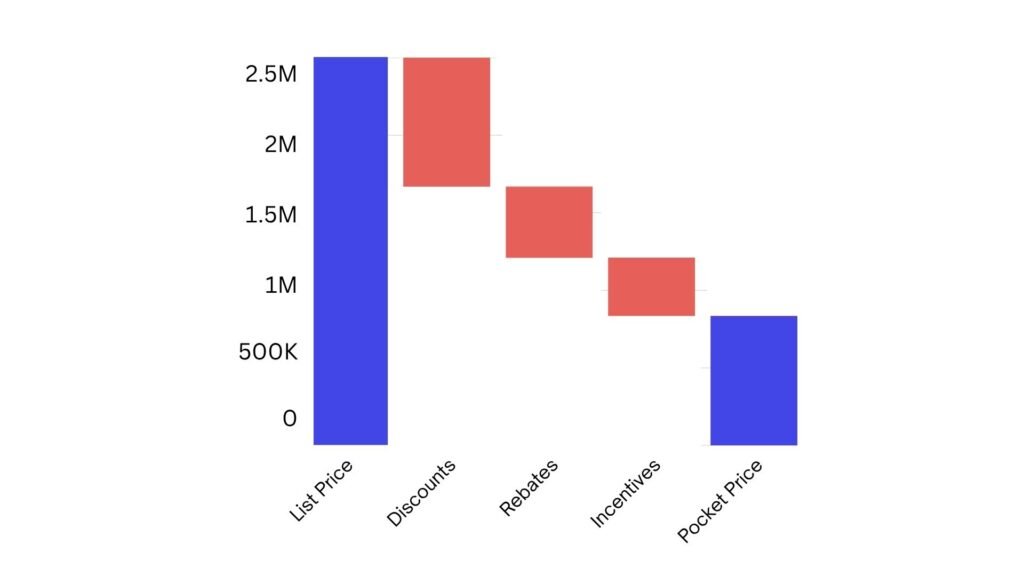
To identify leakage, companies need to move beyond average prices and examine the pricing waterfall, which tracks how the list price becomes the final pocket price through discounts, rebates, and other adjustments.
The main sources of leakage are:
- Uncontrolled discounts applied without clear rules
- Ineffective rebates and incentives that reward volume over profit
- Inconsistent execution across teams, regions, or channels
Why It Matters Now
Pricing control is becoming more critical due to cost volatility, regulatory pressure, and supply chain disruptions. These factors increase margin pressure and complexity, making disciplined pricing execution essential.
How to Identify Leakage
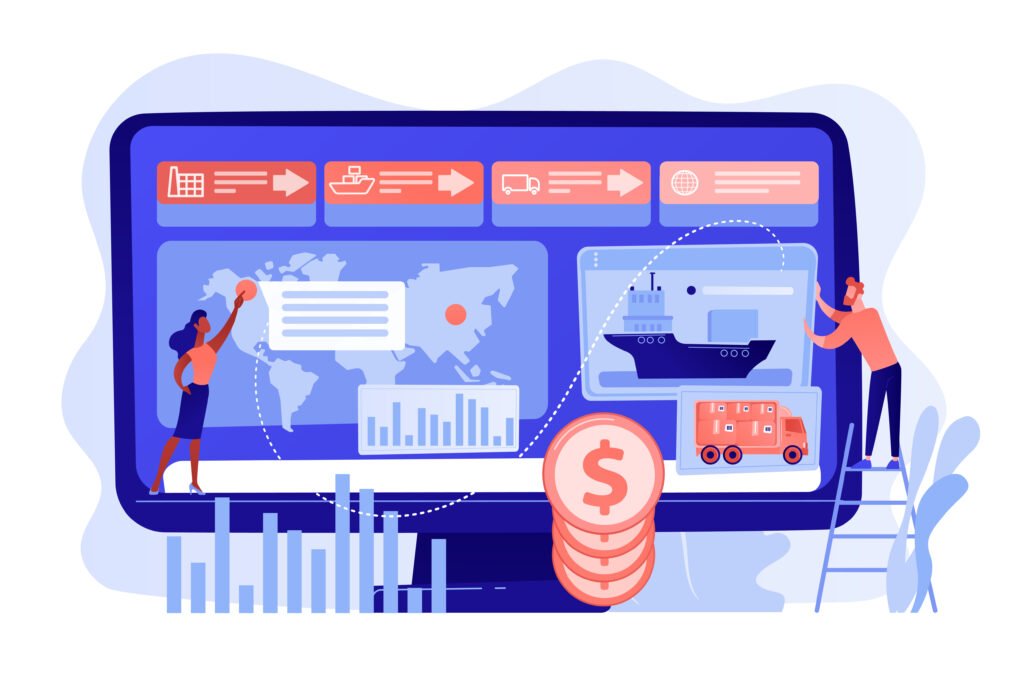
Focus on granular analysis instead of averages. Break down pricing by customer, product, channel, region, and sales team. Compare list, net, and pocket prices alongside margins.
Key tools include:
- Pricing Waterfall to locate value loss
- Margin Bridge to explain changes
- Price Band Analysis to uncover inconsistencies
What Good Control Looks Like
Effective pricing organizations balance flexibility with structure. They typically have clear ownership, defined discount rules, controlled approvals, transparent incentives, and regular monitoring of exceptions. Most importantly, pricing decisions are aligned with profitability.
What to Do Next
Start by asking:
- Where are we losing margin most often?
- Which customers or products receive the largest discounts?
- Do our incentives support profitability?
If the answers are unclear, the problem is not strategy – it is visibility and control.